
Revista Rosa, the Brazilian publication, describes itself as an "órgão de intervenção na luta pela democracia e pela justiça social" ("intervention organ in the fight for democracy and social justice"). Justin Greene (Anthropology), a 25-26 CLACS Graduate Affiliate who wrote and translated for the Revista, writes about that experience.
Indios Everywhere: Visual Ethnography in the Early Modern Global Iberian Empire

Ramón de Santiago (History of Art), a 25-26 CLACS Graduate Affiliate, takes a look at how the term "indio" for an Indigenous American developed as both a motivated mistake in geography and as an intellectual need and strategy of colonizing empires.
Mesoamérica Left Its Mark at Cal

Christián González Reyes and Miroslava Guzmán Pérez share highlights of the student-organized event series about Mesoamerica centered around storytelling, research, and community-building, showcasing various speakers' insights into Indigenous identity and practices. From engaging professors to poets, each event emphasized the importance of storytelling in shaping understanding and resilience.
The Digital Future Viewed from San Salvador
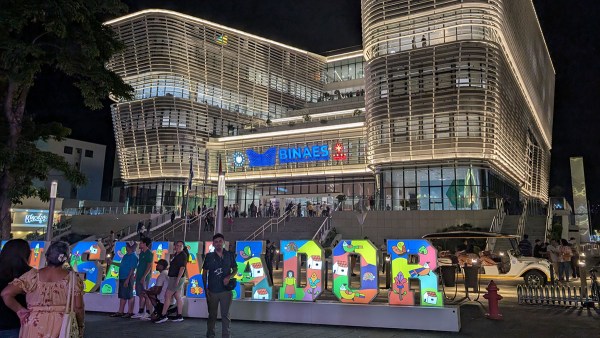
In 2025, Deibi Sibrian conducted fieldwork in San Salvador, examining the socio-environmental impacts of digital transformation in the context of rapid technological changes and urban redevelopment. The work that he and the Digital Ecologies Working Group have conducted highlights the complexities of the digital future, revealing their material costs and the disparities they produce in communities.
Concrete Connections: Nicolás Guillén and his First Trip to Brazil in the 1940s

Lydia Millhon focuses on Afro-Cuban and Afro-Brazilian authors, emphasizing Nicolás Guillén's role in linking cultural identities across Latin America in the mid-20th century. Her dissertation explores Concretism and Negrismo, reflecting on the shared aesthetic and political histories between Cuba and Brazil, and their impact on Afro-diasporic consciousness.
Finding a New Path After Academia

Tessa Wood writes about her path both into and out of academia, relating how coming from an under-resourced school system can cause friction when trying to pursue a future in higher education.
Maya Mam Teachers and Students Keeping Education Moving When a Strike Closed Schools
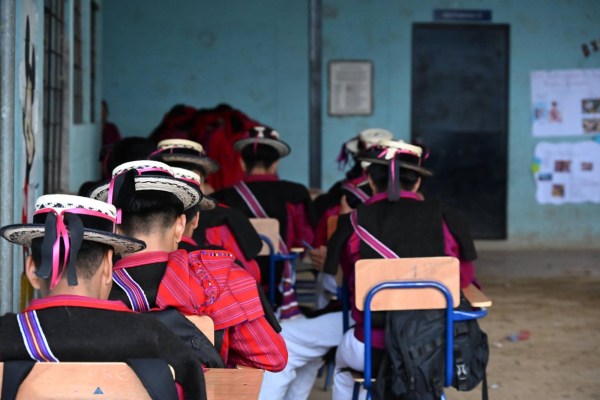
In July 2025, Henry Sales, Ph.D. student in Education and a 2025 Tinker CLACS Research Grant recipient, encountered educational disruptions in Guatemala due to a national teachers' strike, which transformed his research focus. Instead of formal classrooms, he observed Maya Mam communities sustaining learning through cultural practices and community engagement. The experience revealed that education is strengthened through cultural identity, emotional labor, and resilience amid uncertainty.
The Gendered Politics of Assisted Pollination of Palm Trees in Tumaco, Colombia

Andres Caícedo, Ph. D student in Environmental Science, Policy, and Management and a 2025 CLACS Summer Dissertation Fellow, researches the introduction of the hybrid OxG palm, engineered to resist Bud Rot disease in Tumaco, Colombia. This hybrid's reliance on assisted pollination has led to labor being feminized, with women often tending the plants, resulting in a complex intertwining of care, physical strain, and industry expectations.
Megasequía y el derecho humano al agua: lo que podemos aprender de la lucha por la dignidad en el campo de Chile central
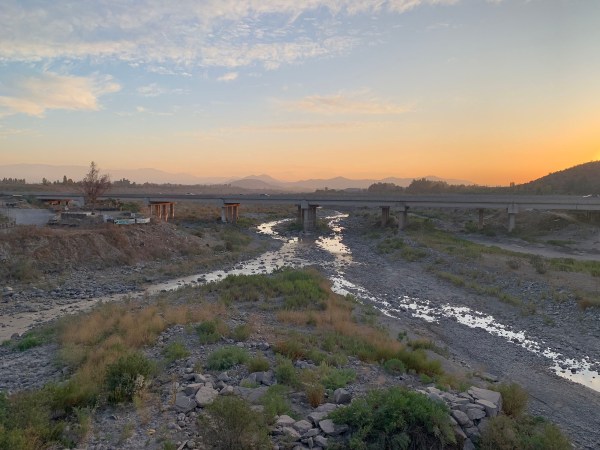
Kate Altemus Cullen analiza cómo las sequías pueden agravar la desigualdad y cómo responden las comunidades ante ellas. A nivel mundial, 2100 millones de personas carecen de acceso a agua potable segura y a menudo dependen de sistemas gestionados por la comunidad, como los APR en Chile, donde una megasequía prolongada ha afectado gravemente las fuentes de agua, exacerbando las desigualdades. A pesar de los desafíos asociados al cambio climático y a las demandas industriales, los líderes de los APR se esfuerzan por mantener el acceso al agua, lo que pone de relieve la necesidad de contar con apoyo institucional y participación comunitaria en la gobernanza del agua.
Megadrought and the Human Right to Water: What We Can Learn From the Fight for Dignity in Rural Central Chile
Kate Altemus Cullen examines how droughts can exacerbate inequality, and how communities respond. Globally, 2.1 billion people lack access to safe drinking water, often reliant on community-managed systems like APRs in Chile, where an ongoing megadrought has severely impacted water sources, exacerbating inequalities. Despite challenges linked to climate change and industrial demands, APR leaders strive to maintain water access, highlighting the need for institutional support and community participation in water governance.